The Unexpected South Indian Connection in Nara, Japan
· 7 min read
Me, my wife and my brother were on our first major International trip to our dream destination, Japan, back in 2019. The time was pre-covid, a time when Instagram reels had not yet taken over the world, and Japan was still a “not-so-cool” destination beyond a few anime fans.
We wanted to do the trip for two reasons:
- I love anime.
- My wife always dreamed of going to Japan
Let’s be honest, We know why we went to Japan.
My wife always wanted to go to Japan - I know, these days all of us do. But she was serious about it, she learned Japanese for 4 years back in 2013, preparing for a time in the future when she’ll be able to hold a conversation with a Japanese person without offending them.
So naturally we picked the best time of the year [that fits our budget, back then], and chose to go in the fall.
Fall was an interesting choice for us, coming from India, we didn’t know a season like this existed - so we didn’t know what we signed up for. We chose it because a few comments on reddit mentioned its cheaper than Sakura season, during which my wife originally wanted to go. In hindsight, choosing sakura season would mean the trip would have never happened, because, COVID.
So I put down an itinerary so meticulous, that I’m still proud about the itinerary and the execution. It was optimised for max-utilizing the JR Pass [the train pass used for bullet train], and covered the Golden path of Tokyo, Kyoto, Osaka. With day trips to Hiroshima, Mt.Kawaguchiko, Nikko and Nara.
 SriLankan Airlines
You can go through our detailed itinerary here. The prices listed there don’t make sense anymore — inflation is real, kids.
This story is about our trip to Nara, a quaint village in the outskirts of Kyoto, that is popularized by its friendly deer. We honestly slotted this in our itinerary purely for the deer experience, and maybe stroll around nearby gardens. But I had no idea what was in store for me.
Nara’s icon is the deer park, surrounding the Todaiji temple, where people interact and pet the deer. From our trip we knew that most of Japan’s villages and tourist towns had a temple attractions. Given our previous experiences in Nikko, Kyoto and many other places, we expected the usual - a magnificent temple structure, a garden, a few souvenir shops and maybe a museum. Surely, Nara checked all the boxes, but there was more than meets the eye.
The first obvious sign was this unassuming pillar of the Lion Capital of Ashoka
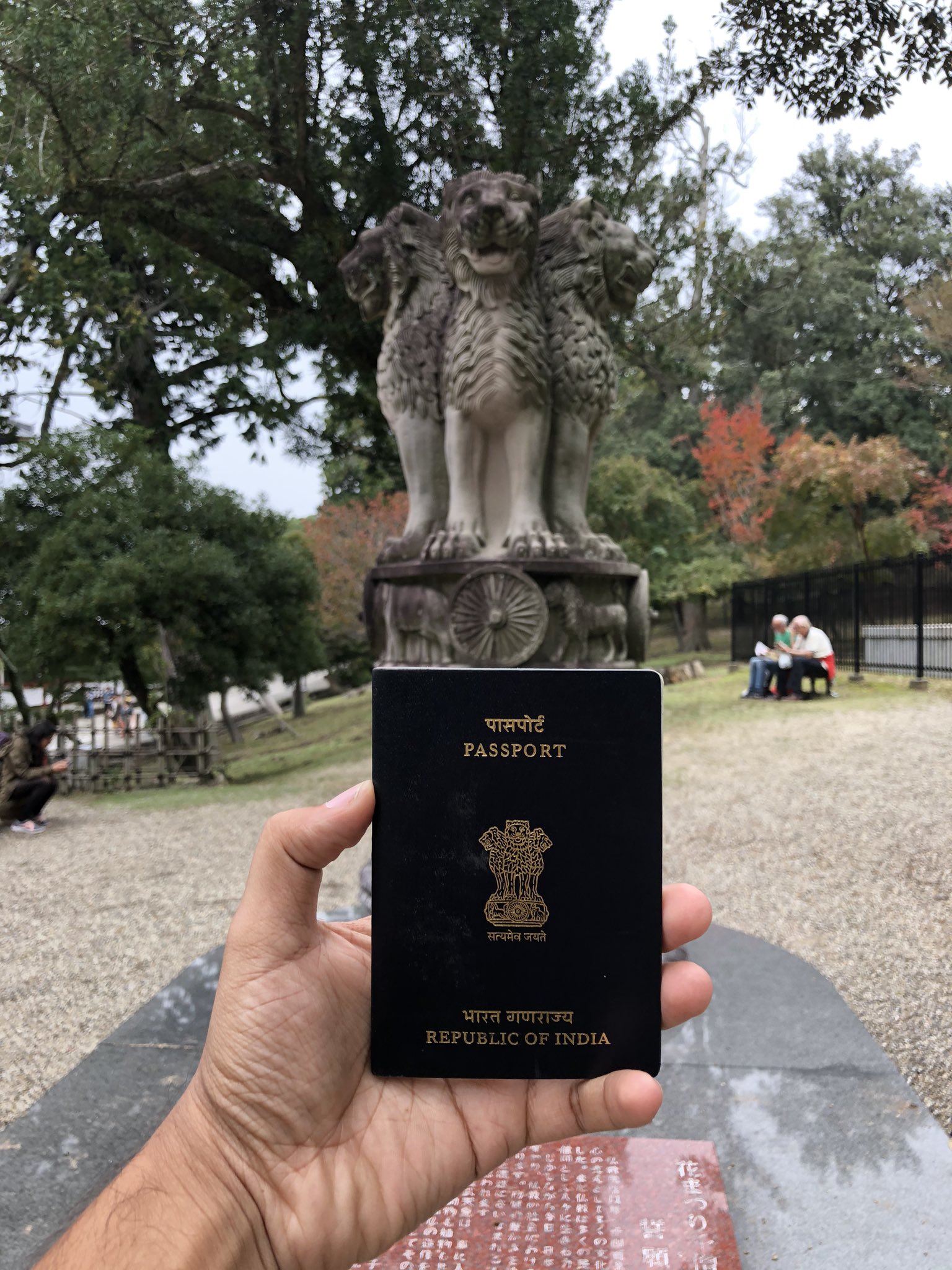
Clearly the pillar didn’t look old by any means. The plaque read - “the monument is in commemoration of the ‘Thousand-Priests’ Service’ on the occasion of the Hana Matsuri [Buddha’s Birthday]”. The pillar held beneath it, a time capsule of the participants and message for the future. It’ll be opened in the 1500th Anniversary of the Introduction to Buddhism in Japan.
The pillar was installed in 1988, and clearly to mark the cultural ties between India and Japan through Buddhism.
But how did Buddhism come to Japan? I always assumed it was through China, which it probably did. If you think about it, it makes logical sense — Siddhartha attained enlightenment in Bodh Gaya, which is in the north of India. From there, Buddhism spread to China. The Chinese and Japanese shared the same written script, so there’s a high chance that just like the borrowed script, the teachings also inspired the Japanese.
A visit to the Museum right next to the temple blew my mind.
The Great Buddha statue at Todaiji temple was officially consecrated by Bodhisena [not to be confused with Bodhidharma for all the Surya fans out there], who was born in Madurai to a Brahmin family. Bodhisena reached Japan through the sea, through Cambodia and Vietnam, from surprise surprise China, and is often noted as the first Indian visitor to Japan.
My mind is still unable to imagine, how someone born in a tropical city like Madurai, endured the journey to China in 8th century, and then voyaged through the seas to Japan, while creating so much influence, and here I am, complaining about the 14 hour flight to Narita.
On arrival to Japan, he was met by the monk Gyoki. The both instantly recognised each other from their past life! The plaque made it sound like how two bros met each other after a long, long time.
Gyoki was the monk who was responsible for popularizing Buddhism into Japan, without shaking its Shinto influence - by finding common ground/compatibility with the existing Shinto gods and goddesses, and making it accessible for commoners.
Bodhisena was given the honour of performing the eye-opening ceremony by painting the eye for the giant bronze statue in the temple.
The eye-opening ceremony marks the “Spirit coming into the statue”, after which the statue becomes divine. I can’t help but notice the similarities in Hinduism, at least in my recent memory is the Pran-Pratishta of the Ram lalla temple in Ayodhya, where the deity’s statue had its eyes blindfolded, and after various rituals, the eye was opened for the very first time.
Fun fact: The tradition of painting the eyes is still culturally relevant in Japan, when you buy the Daruma dolls. These dolls are sold without the eyes, and it is generally up to the buyer to paint them. After making a wish, one eye is painted, and when the wish comes true, the other one is painted.
Bodhisena, locally referred to as the “Baramon Sojo” (Brahmin Priest), spent some time in the island nation where he founded the Kegon Buddhism and also taught Sanskrit. The influence of Sanskrit in the Katakana script’s arrangement and phonetic system is often attributed to Bodhisena’s teachings, and according to one Museum plaque that read “Sanskrit will live as long as the Japanese language continues to exist”.
The museum also contained a variety of original statues and preserved ruins. We saw many Hindu deities in their Japanese form [with the reference to their Hindu origins] like Benzai-ten [Saraswathi] and King enma [Yama], and this beautiful depiction of Krishna. [Sorry no photos inside the museum]. 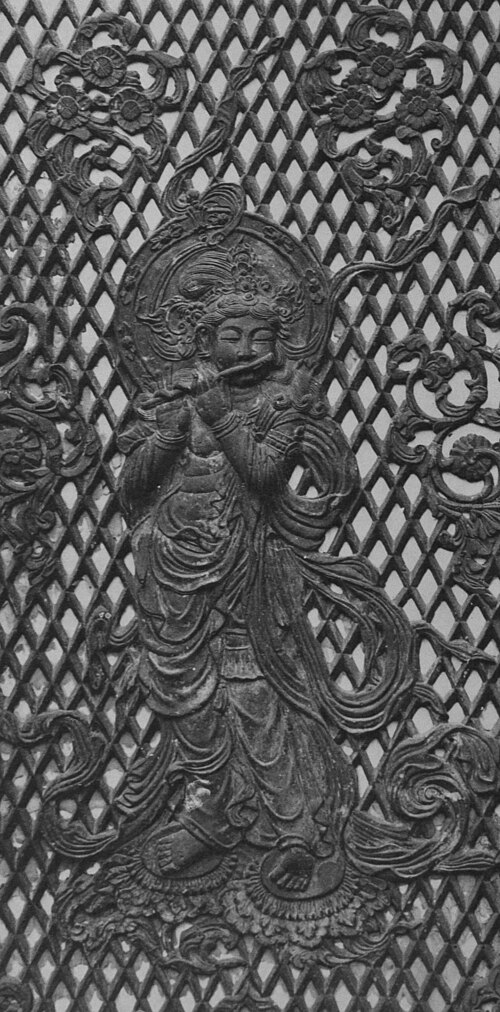
Once we were done with the museum, we entered the majestic temple, and experienced the whole thing unfold in front of us - the bronze statue of the Daibutsu, the paintings and the carvings, all carried a lot more weight once we knew the history.
While we wrapped up the temple, we saw a small procession ceremony happening, which struck so many similarities to the South Indian procession ceremonies in temple.
We grabbed some Nara-certified coca-cola and Matcha, fed the deer, visited a Japanese garden [in japan, they are just called gardens, iykyk].
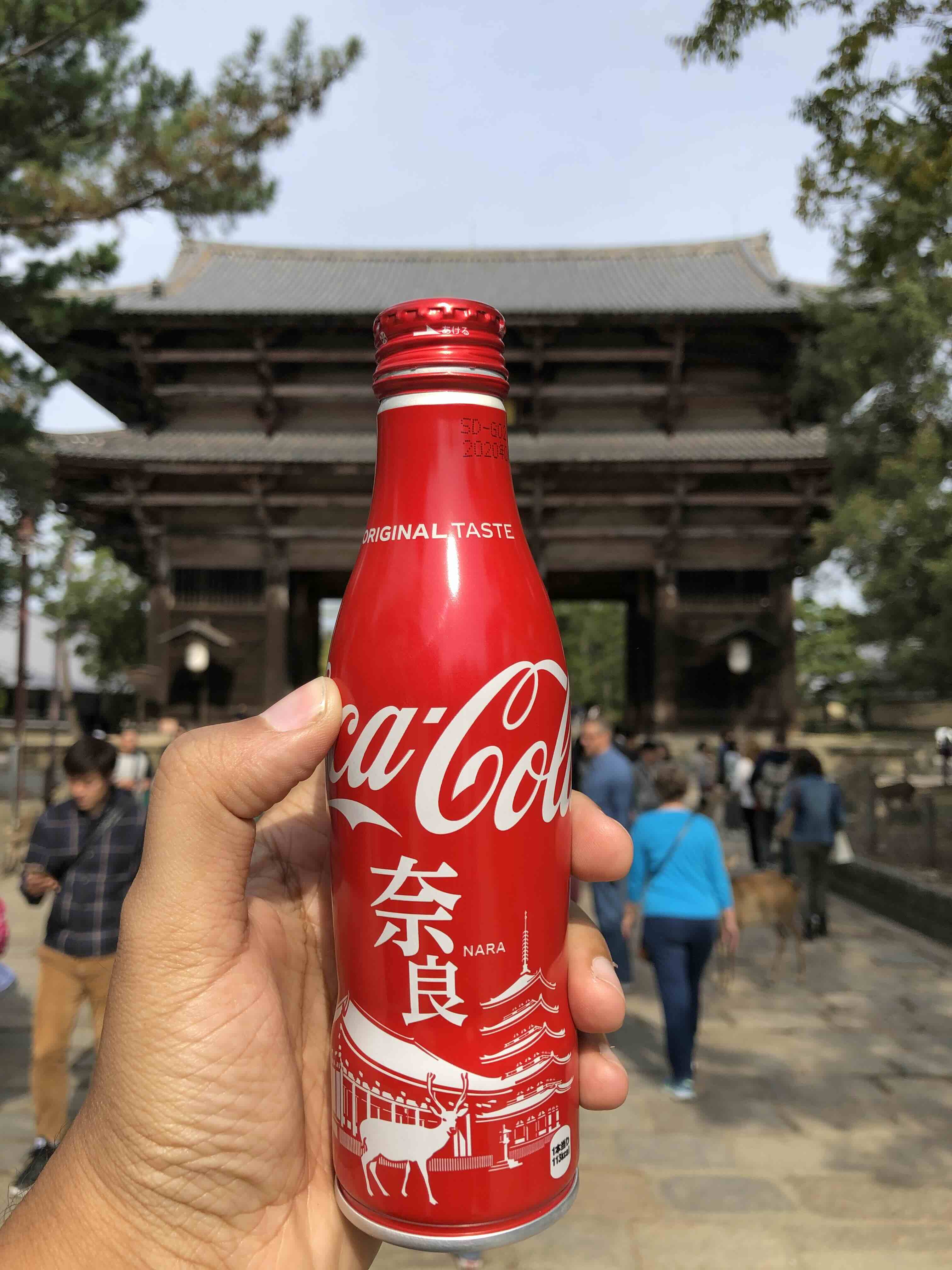
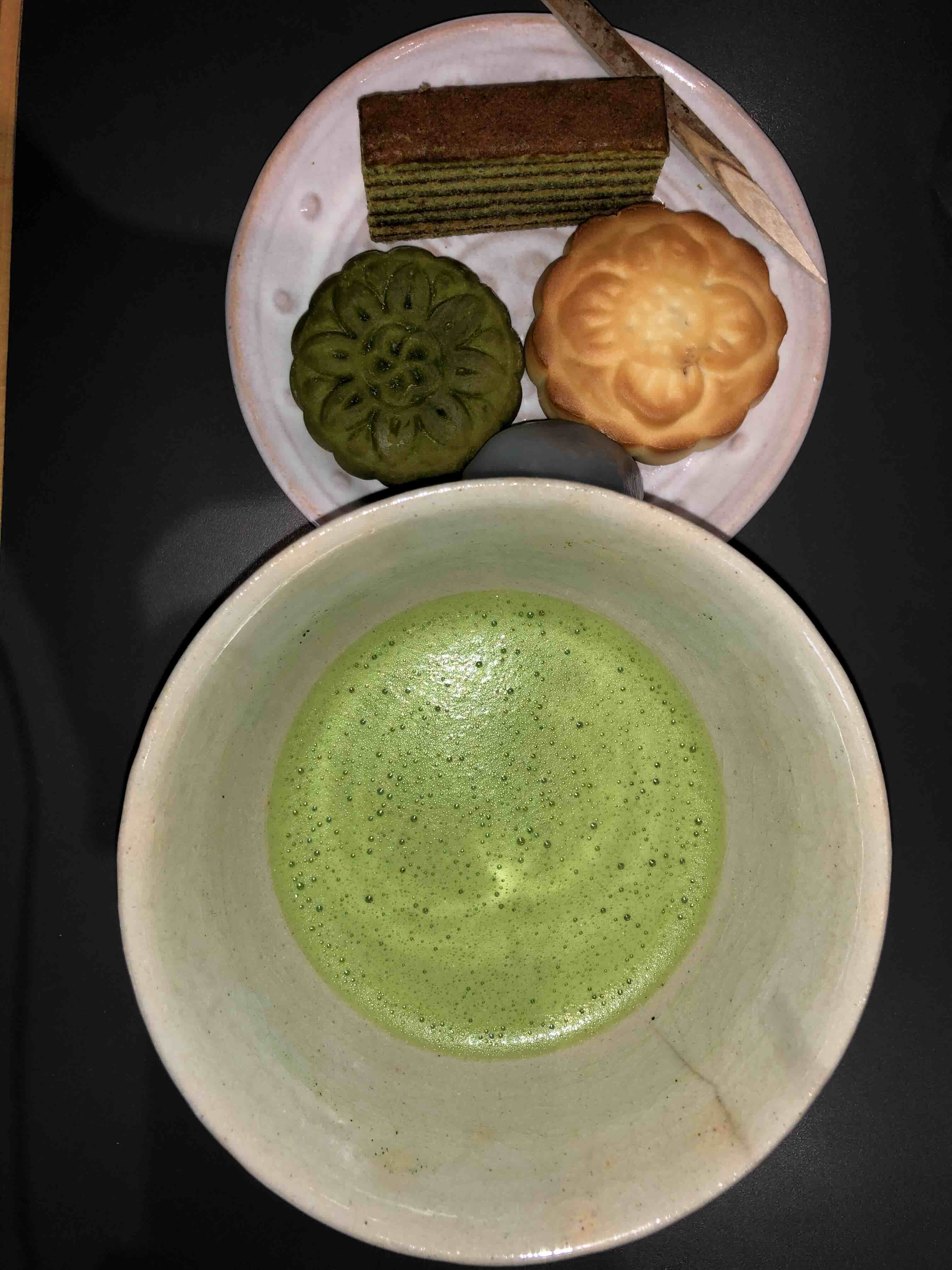
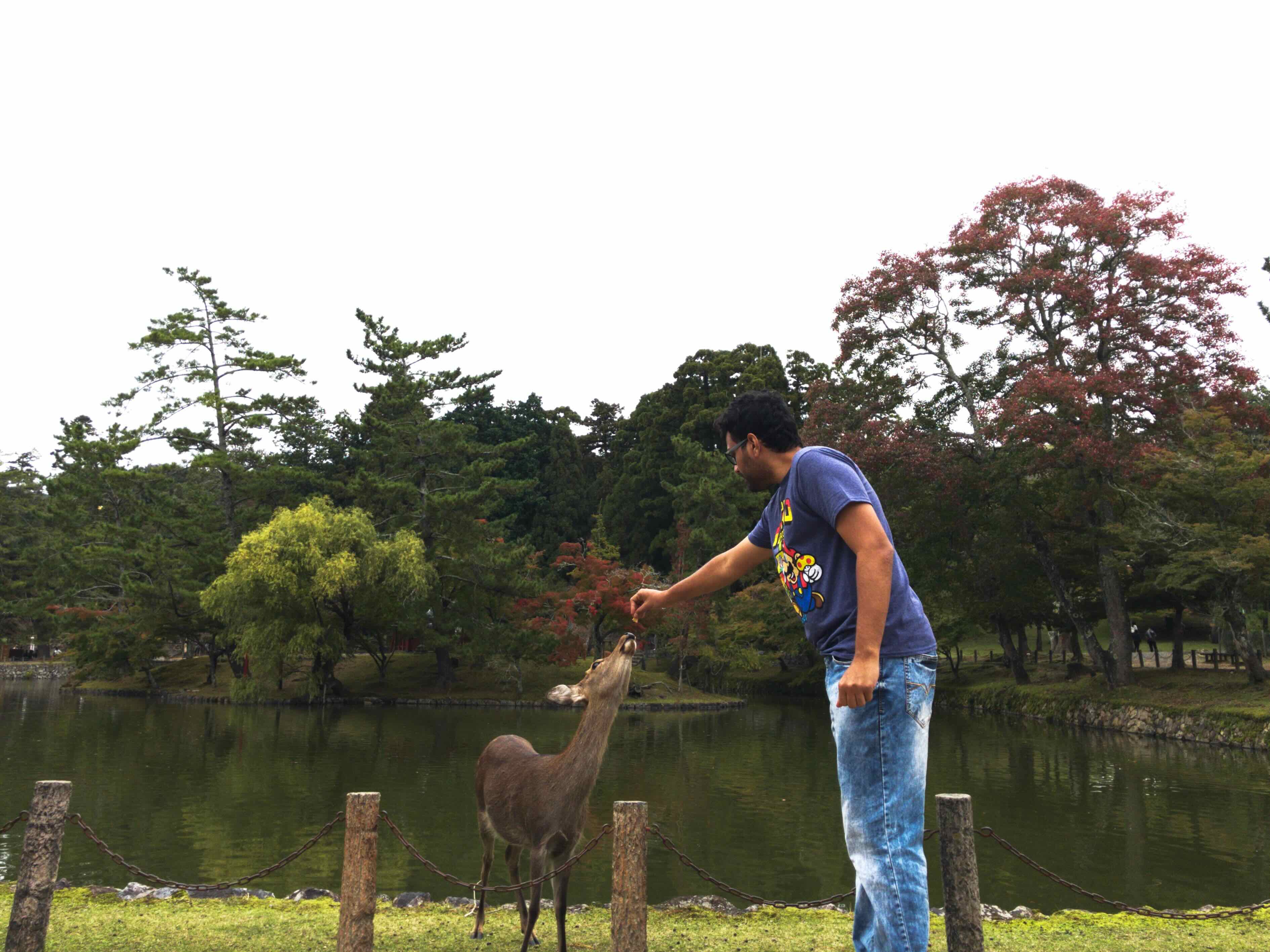
As we wrapped up our time at Nara - I couldn’t help but feel that this was the best part of the trip for me. An unexpected location, that we didn’t research much about, turning out to have a deeper connection from our homeland - peacefully co-existing.
To more, explorations and discoveries.